

Personal GPS Tracker vs Vehicle Tracker: What’s the Real Difference?
Choosing the wrong GPS tracker is an easy mistake and an expensive one. A vehicle tracker won't tell you when your elderly parent has wandered three blocks from home. A personal tracker won't show you whether your delivery driver took a two-hour detour.
Personal GPS trackers and vehicle GPS trackers serve fundamentally different purposes. One follows a person. The other follows a vehicle. Understanding which you need and why saves you money, closes blind spots, and keeps you legally protected.
Both scenarios rely on the global positioning system and cellular networks to transmit data, but the devices differ significantly in design, features, installation complexity, and legal considerations.
What Is a Personal GPS Tracker?
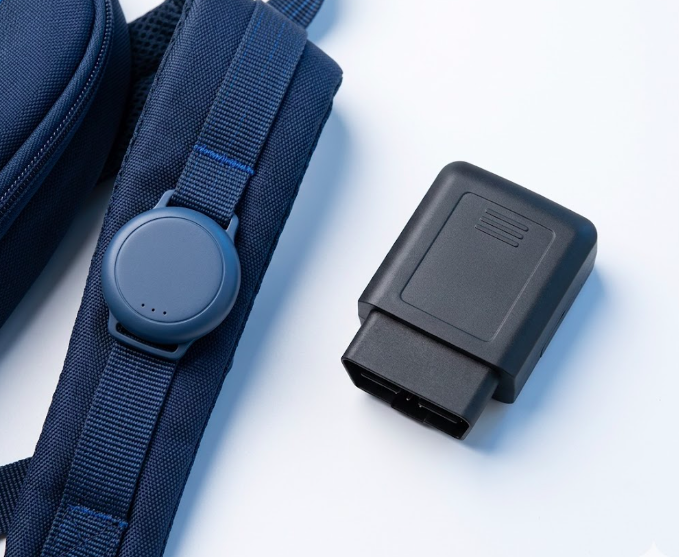
Personal GPS tracker is a small device, designed to be carried or worn by a person, attached to a pet's collar, or clipped to bags and valuables. These devices prioritise mobility and simplicity over data analytics.
Typical form factors include:
- Clip-on tags for backpacks or belts
- Key fob-style devices for pockets
- Smartwatch-style wearables for kids and seniors
- Small magnetic pucks for tool cases or luggage
Most people use personal GPS trackers for safety. Parents use them to keep track of their kids when they walk or ride a bike to school. Families use them to watch elderly people who may get lost. Companies use them to monitor workers who are alone at night. Even hikers carry them in places where phone signals don’t work.
Battery life can be a problem if you forget to charge the device. These trackers usually last 1 to 7 days, depending on how often they send location updates. When the person moves, the tracker sends updates more often, so the battery runs out faster. If you forget to charge it, the tracker may stop working for the whole day. So, you need to charge it regularly, usually with a USB-C cable.
What Is a Vehicle GPS Tracker?
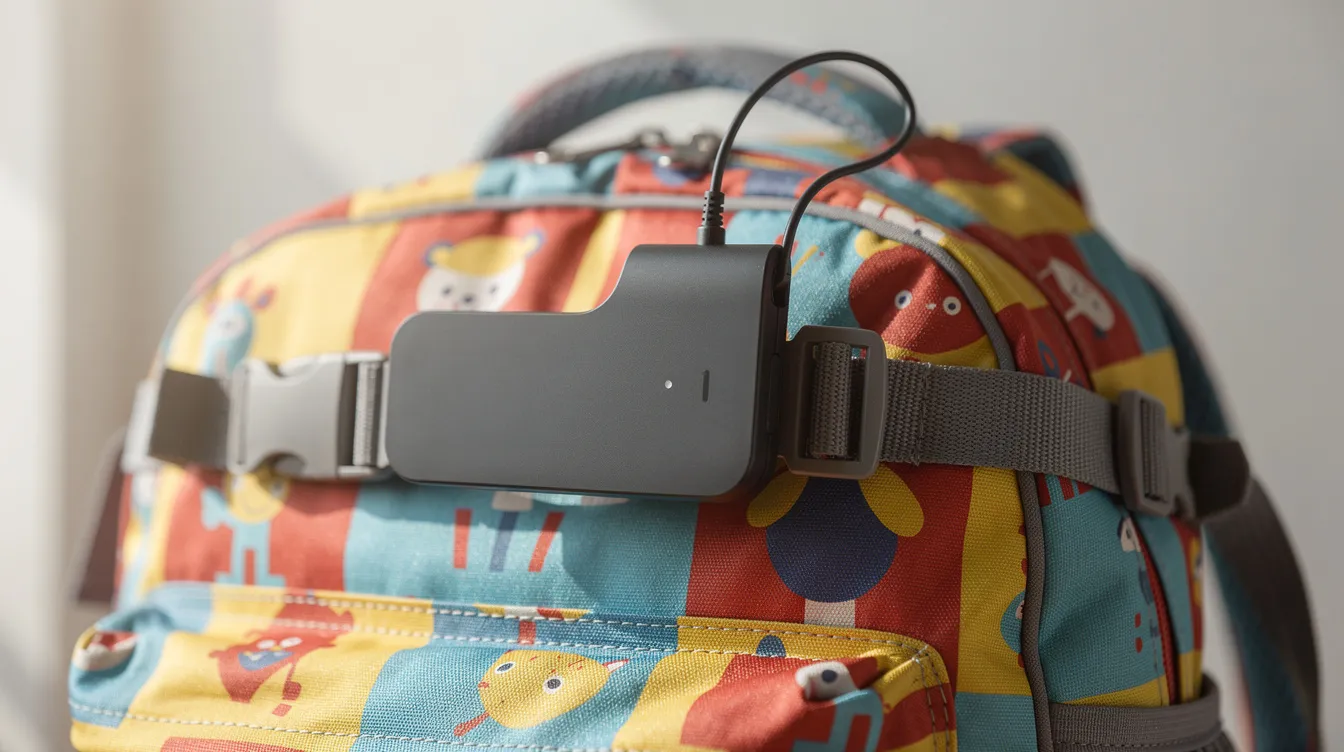
A vehicle GPS tracker is a dedicated device installed on or inside a car, van, truck, motorcycle, or trailer. Unlike personal trackers, these devices monitor the vehicle's location along with trip data, health diagnostics, and driver behavior.
Vehicle tracking devices come in several configurations. OBD-II plug-in GPS trackers connect directly to the vehicle’s OBD-II port, standard in cars built after 1996. Wired GPS trackers get hardwired behind dashboards for concealed, tamper-resistant installation. Asset trackers mount on trailers and equipment that have no engine of their own.
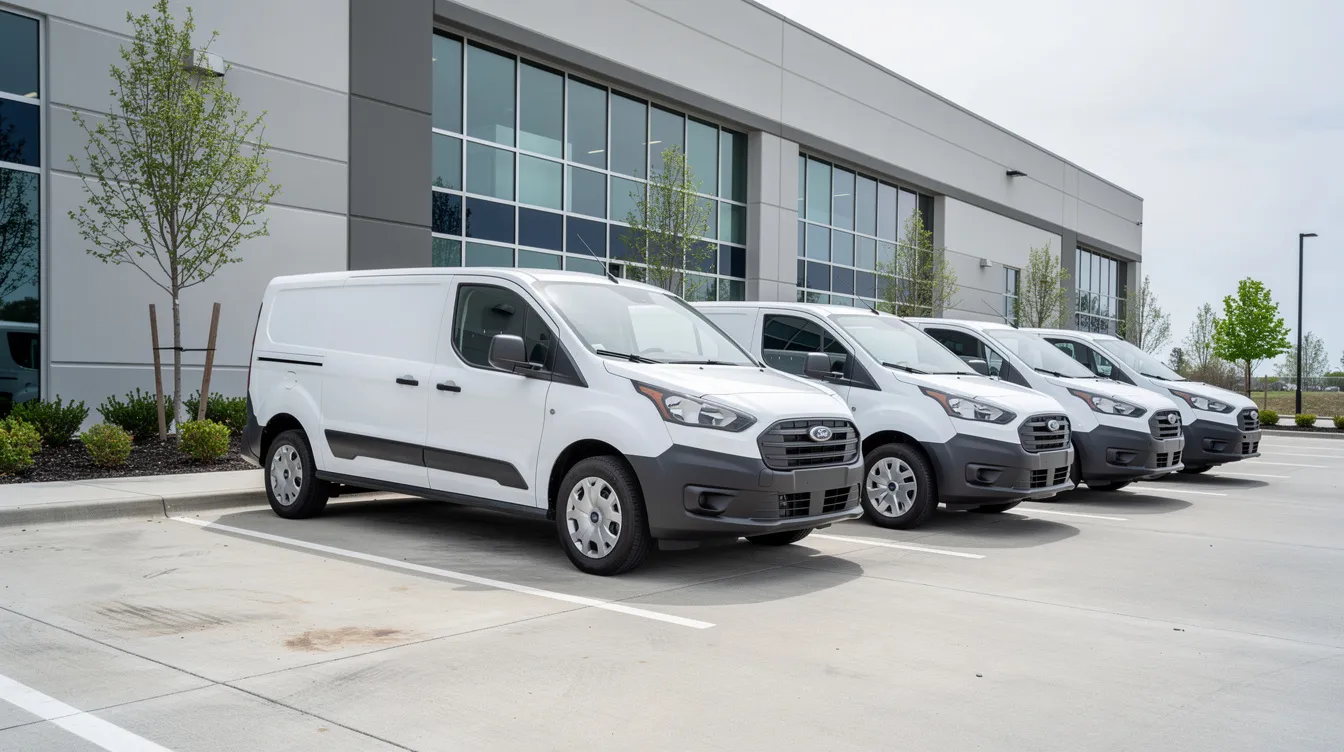
Fleet managers rely on these systems to manage delivery routes, monitor contractor pickups, and recover stolen vehicles. A plumbing company in Phoenix running 5 trucks, for example, uses them to verify service times and cut fuel waste from excessive idling. The biggest advantage is power. Vehicle trackers draw directly from the vehicle's electrical system, eliminating battery concerns entirely. This enables always-on monitoring even during overnight parking or extended idle periods and makes them ideal for trip history, speed tracking, harsh braking detection, engine fault codes, and business reporting.
Key Differences: Personal vs Vehicle GPS Tracker
This comparison addresses the fundamental distinctions that matter for your decision.
- What’s actually being tracked: A personal tracker follows a person or item, even if they move between different vehicles during the day. A vehicle tracker stays with one vehicle and tracks it, no matter who is driving. For example, a nurse who travels using a car, bus, and walking would need a personal tracker. But if you want to track a delivery van, you need a tracker that stays in that vehicle.
- Installation approach: Personal trackers require zero installation. Charge it, pair it with an app, clip it on, and begin tracking. Vehicle trackers range from plug and play OBD units (5-10 minute self-install) to hardwired systems requiring professional installation taking 30-90 minutes.
- Power and uptime: Personal units depend on their battery life and can die mid-day if you forget to charge them. Vehicle units tap into vehicle power for near-infinite uptime, critical for long term vehicle tracking and after-hours theft detection.
- Data focus: Personal trackers emphasize SOS alerts, geofences, and last-seen locations. Vehicle trackers provide more accurate data including detailed trip logs, speed monitoring, idling time, fuel efficiency metrics, and maintenance reminders based on vehicle diagnostics.
- Ruggedness: Vehicle units handle extreme heat (up to 140°F behind dashboards), vibration, and dust. Personal units prioritize lightweight comfort and light rain resistance.
- Privacy implications: Tracking employees’ company vehicles during work hours differs legally from tracking employees personally. Different rules apply in the US, UK, and EU.
When a Personal GPS Tracker Makes More Sense
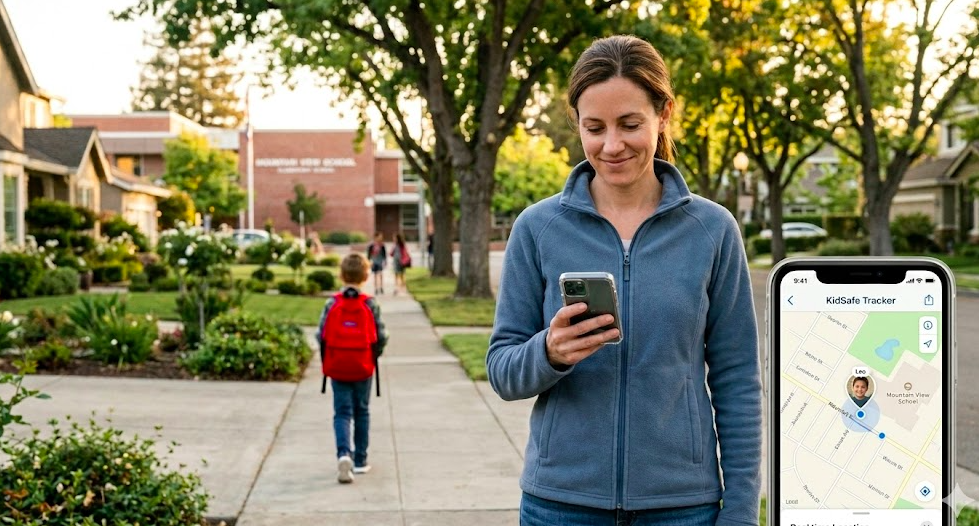
Personal GPS trackers work best when safety is your main concern, or when the person or item moves between different places and vehicles.
Family safety scenarios:
Personal GPS trackers are commonly used to keep family members safe in everyday situations.
- Kids aged 6-15 walking or biking to school
- Teens moving around the city after activities see our full guide: Best GPS Tracker for Teen Drivers
- Elderly relatives with memory issues who might wander from home
- Joggers running early morning or late evening routes
Workforce applications:
Personal GPS trackers are useful for workers who don’t stay in one place. They help track people who move between locations throughout the day.
- Home-health nurses traveling in personal vehicles between patient visits
- Door-to-door sales reps without assigned company cars
- Security guards doing on-foot patrols across facilities
- Construction supervisors moving between vehicles and walking job sites
Travel and asset tracking:
Personal GPS trackers are also useful for keeping track of valuable items while traveling or working.
- Tourists monitoring luggage during international flights
- Photographers tracking camera bags at events
- Contractors keeping tabs on expensive portable tools
The advantages: zero complicated installation, easy sharing through family apps, quick mobile app setup, and no need to access a vehicle’s OBD port. The limitations include shorter battery life, the risk of leaving the device at home, and limited integration with vehicle data or business reporting systems.
When a Vehicle GPS Tracker Is the Better Choice
Vehicle trackers make sense when protecting and managing vehicles and business assets matters more than tracking individuals.
Business fleet applications:
Vehicle GPS trackers are a game-changer for businesses that depend on wheels. Whether you run two vans or twenty, real-time visibility keeps operations tight and costs down.
- Delivery vans in cities like Dallas or Toronto needing daily route optimization
- HVAC and plumbing trucks requiring proof of service times
- Landscaping crews where fleet management drives efficiency gains
- Regional sales fleets needing mileage and trip documentation
Personal Vehicle Protection
You don't need to run a business to benefit from vehicle tracking. High-value personal vehicles are prime theft targets and a hidden tracker is often the difference between recovery and total loss. Read more: Best GPS Tracker for Cars in 2026
- Motorcycle riders in theft-prone neighborhoods
- Travelers parking at airports for several days
Operational Benefits for Small Business Owners
Beyond location, vehicle trackers generate data that directly cuts costs and protects your reputation with clients. Most small business owners see a return within the first few months.
- Route history and optimization reducing operational costs
- Idling reports improving fuel efficiency by 10-20%
- Driver safety coaching based on harsh braking and acceleration
- Maintenance scheduling from diagnostic codes
- Disputed job-time verification with accurate data
Security Benefits
A vehicle tracker works around the clock even when you're asleep. It's the closest thing to having a security guard watching your vehicle 24/7.
- Instant alerts if a vehicle moves unexpectedly at 2:00 AM
- Tow or theft detection enabling faster response
- Hidden hardwired installation making devices difficult for thieves to locate
- Studies show 30-50% faster stolen vehicle recovery with GPS vehicle tracking
Feature Comparison: What Each Type Typically Offers
Both tracker types come packed with features but they're built for completely different jobs. Here's a clear breakdown of what each one actually gives you.
Personal GPS trackers:
Personal GPS Trackers (2024-2026 models) typically include SOS or panic buttons for emergencies, geofences triggering alerts when users enter or exit predefined zones, low-battery notifications, and basic location history.
Some kids’ watches add two-way calling. Fall detection using accelerometers helps monitor seniors. The focus remains on individual safety with frequent updates during motion.
Vehicle tracking systems:
Vehicle tracking systems offer real time tracking with updates every 15-60 seconds, comprehensive trip history with start/stop times, speed monitoring with threshold alerts, harsh braking and acceleration event logging, idling time reports, and after-hours usage notifications. Advanced features exclusive to vehicle trackers include OBD-based engine performance diagnostics, check-engine-light codes, odometer readings, maintenance reminders, and in some systems remote starter disable where legal.
Both tracker types support geofences and push notifications through apps, SMS, or email. The big difference lies in what triggers those alerts.
Personal trackers notify you when a child leaves a safe zone around school. Vehicle trackers alert you when a work truck leaves the depot outside business hours. The data serves different purposes: personal safety versus asset management and driving behaviour analysis.
Installation and Setup
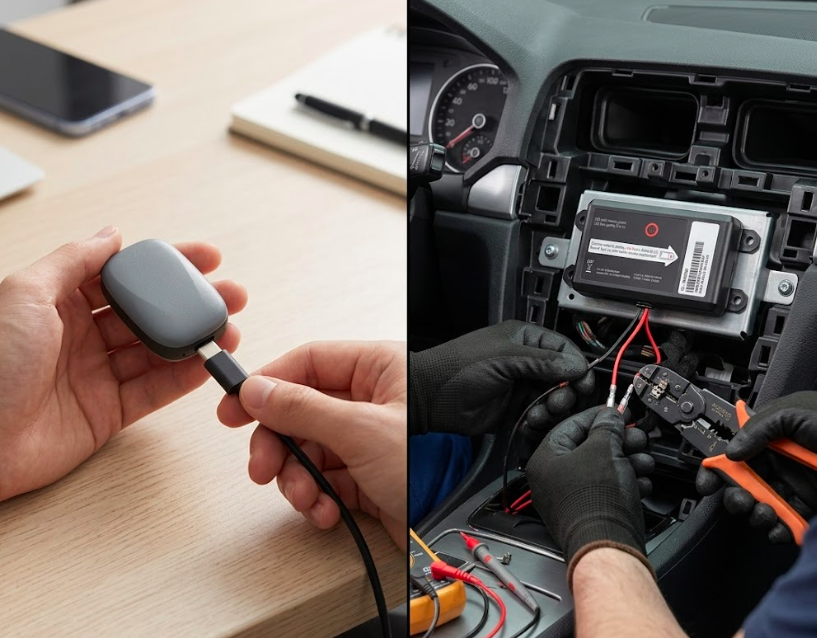
Setup complexity varies dramatically between these tracking systems.
Personal Tracker: Ready in Minutes
- Charge the device fully
- Download the companion app on iOS or Android
- Pair the tracker via Bluetooth or cellular activation
- Attach it to a belt, backpack, lanyard, pet collar, or safety vest
- Configure geofences and emergency contacts
- Start tracking immediately
No tools required. No vehicle access needed. Easy installation that anyone can complete.
Vehicle Tracker: Depends on the Type
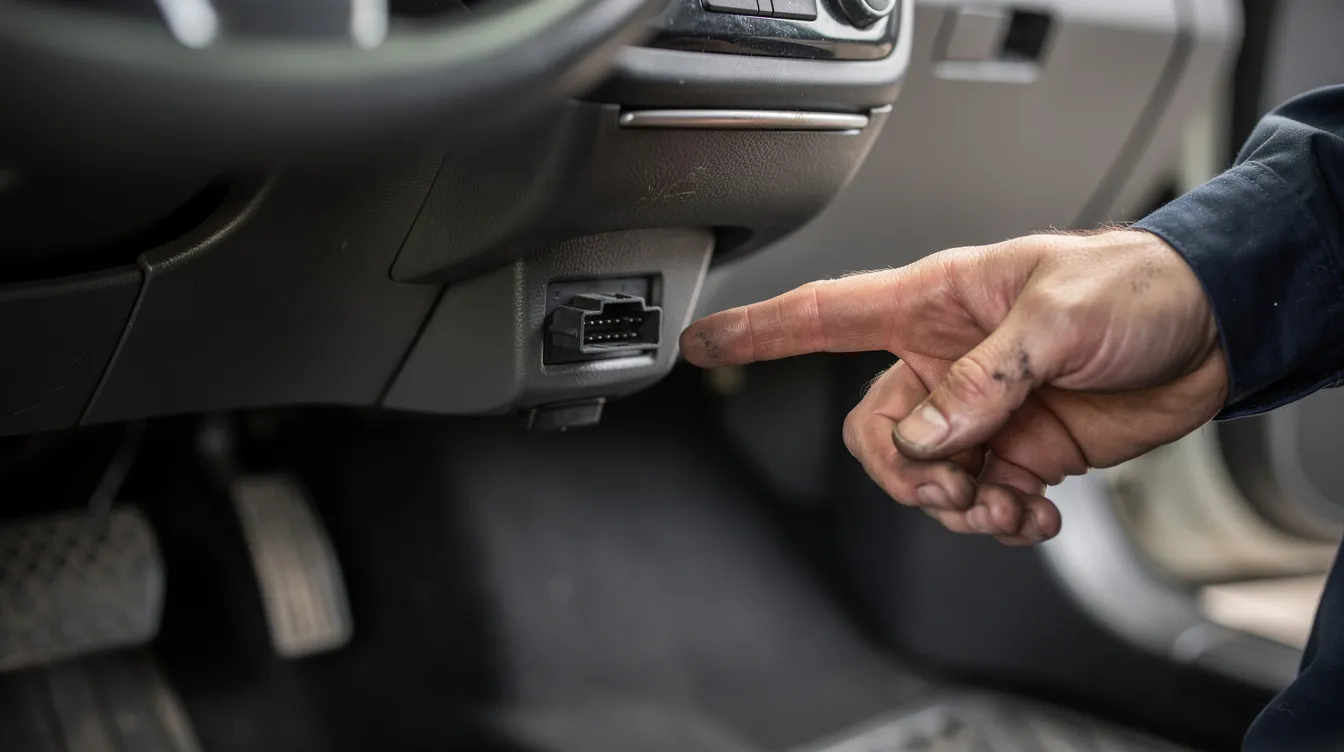
OBD-II plug-in (self-install, 5-10 minutes): For plug and play device options like OBD-II trackers, locate the vehicle’s OBD-II port (typically under the car’s dashboard near the steering column), plug in the device, and activate through the app. This self installed approach takes 5-10 minutes with zero tools.
Hardwired (professional installation, 30-90 minutes): Hardwired units require professional help. A mechanic or auto electrician connects the tracker to constant power, ignition signal, and ground, then conceals it behind the dash or in side panels. Expect 30-90 minutes per vehicle and costs of $75-$200 for professional installation.
Small businesses wanting fast rollout across several vehicles often start with plug-in units. Fleets prioritizing tamper resistance and vehicle security against unauthorized unplugging choose hardwired systems despite the more involved installation process.
Battery Life, Power, and Reliability Over Time
Long-term reliability hinges on how tracking depends on power sources.
Personal trackers typically deliver:
- 1-3 days with frequent updates (every 30-60 seconds during motion)
- 5-10 days in power-saving modes with less frequent pings
- Requires establishing a consistent charging routine
Vehicle trackers operate differently:
- Draw continuous power from the vehicle’s 12V or 24V electrical system
- Include small backup batteries maintaining operation for 24-48 hours if disconnected
- Provide real time visibility for months or years without manual intervention
Why this matters: Monitoring a senior living alone requires daily charging discipline. Tracking a work truck running five days a week works far better with always-on vehicle power. A car parked at the airport for eight days needs a vehicle tracker that won't die mid-trip.
Vehicle trackers are simply less dependent on human behaviour no one needs to remember to charge them. This independence means better compliance logs, fewer data gaps, and consistent live monitoring for businesses.
Privacy, Consent, and Legal Considerations
Laws differ significantly between tracking people and tracking company-owned assets, with regulations tightening in 2026 across the EU, UK, Canada, and many US states.
personal trackers
- Parental consent covers tracking children under 18
- Tracking adults requires explicit consent
- Secretly tracking partners, adult family members, or off-duty employees is illegal in many jurisdictions
- The EU's ePrivacy Directive and US state laws (including Illinois' BIPA extensions) increasingly cover location data
Vehicle Trackers on Company Assets
- Tracking during work hours is generally acceptable if drivers are notified and policies are documented in employment contracts
- Tracking personal use of company vehicles outside work hours creates HR and legal complications
- Clear written policies on when tracking occurs and who accesses data are essential
Cross-Border Complexity
Fleets moving between US states or EU countries face varying rules on data retention periods and employee rights to view their own tracking records. Consulting local regulations or legal counsel before deploying trackers at scale remains the right solution, especially for staff monitoring.
Cost Comparison: Upfront and Ongoing
Both tracking device types involve hardware costs plus ongoing service subscriptions.
Personal tracker costs (2024-2026):
- Hardware: $40-$150 per device
- Monthly subscription: $5-$20 per tracker
- Installation: $0 (self-setup)
- Total first-year cost per tracker: approximately $100-$390
Vehicle tracker costs:
- Plug-in OBD hardware: $50-$200
- Hardwired hardware: $150-$400
- Monthly subscription: $25-$45 per vehicle for real time data and reports
- Professional installation: $0 for plug-in, $75-$200 for hardwired
- Total first-year cost per vehicle: approximately $230-$760
Hidden costs deserve attention. Personal trackers require time managing charging routines, and forgotten charges mean data gaps. Vehicle trackers may require initial setup time but deliver consistent data afterward. For businesses, missing trip data can create problems during disputes or audits, which a business GPS tracker helps avoid.
Real-World Scenarios: Choosing the Right Option
Family safety decision: Parents in 2026 with a 12-year-old walking home from school and a Toyota Corolla face a choice. A wearable SOS tracker on the child provides geofence alerts for school arrivals and departures, panic button access, and location updates during the walk. A vehicle tracker on the Corolla only shows where the car sits parked. For child safety, the personal tracker wins.
Small business fleet: A plumbing company in Phoenix with 5 vans needs to verify service times and reduce fuel costs. Tracking technicians via personal trackers or phone apps proves unreliable since phones die, get left in trucks, or run out of battery. Hardwired vehicle trackers deliver consistent route history, idling reports, and accurate data regardless of driver phone presence. Vehicle trackers are the clear answer.
High-value personal car: An owner of a BMW X5 worried about theft wants protection. A personal tracker in their backpack only helps when they’re carrying it. A hidden vehicle tracker provides 24/7 alerts if the car moves unexpectedly, enabling faster stolen vehicle recovery. Vehicle tracker wins for asset protection.
Construction equipment: A firm tracking generators, trailers, and skid steers left on remote sites needs monitoring for assets that move without drivers present. Asset trackers designed for equipment without engines provide the solution. Personal trackers serve no purpose here.
Personal GPS Tracker vs Vehicle Tracker: Which Should You Choose?
The decision framework is straightforward. If your priority is the safety of a person, a child, senior, or lone worker, start with a personal GPS tracker. If your priority is protecting and managing a car, van, or fleet, start with a vehicle GPS tracker.
Businesses should separate “tracking assets” (vehicles, trailers, equipment) from “tracking people” and choose devices accordingly. Many operations benefit from using both types together. A delivery company might use vehicle trackers on all vans while providing personal trackers to on-foot couriers handling final-mile deliveries in dense urban areas.
Remember the key differences: personal trackers offer easy installation but require charging and travel with the person; vehicle trackers need initial setup but provide continuous power, unique features like vehicle diagnostics, and more reliable day to day operation. Privacy rules differ for each category.
Looking ahead, modern tracking systems in 2026 increasingly integrate personal, vehicle, and asset tracking into unified platforms. Planning for growth and mixed use cases now positions you for comprehensive coverage as your needs evolve.
conclusion
If your priority is the safety of a person a child walking to school, an elderly parent at risk of wandering, or a lone worker on a night shift a personal GPS tracker is your answer. It travels with them, alerts you in emergencies, and sets up in minutes. If your priority is protecting and managing a vehicle or fleet reducing fuel costs, verifying service times, or recovering a stolen car a vehicle GPS tracker is the clear choice. It draws power directly from the vehicle, runs 24/7, and generates the business data you actually need.
Many businesses benefit from using both. A delivery company might put vehicle trackers on every van while equipping on-foot couriers with personal trackers for last-mile urban deliveries. There is no rule that says you have to choose just one.
- Personal trackers = easy setup, travels with the person, needs daily charging
- Vehicle trackers = initial installation, always-on power, richer data, more reliable long term
Privacy and legal rules differ between the two. Always check your local regulations before deploying either type, especially if you are tracking employees. Modern platforms in 2026 increasingly combine personal, vehicle, and asset tracking into one unified dashboard. Starting with the right device now means you are ready to scale as your needs grow.
Ready to get started? Choose the right GPS tracking device based on your needs and take control of safety, visibility, and peace of mind today.
Frequently Asked Questions
What is the difference between a personal GPS tracker and a vehicle GPS tracker?
A personal GPS tracker follows a person or item wherever they go on foot, in a car, or on public transport. A vehicle GPS tracker stays inside a specific vehicle and monitors that vehicle's location, trip history, and diagnostics regardless of who is driving. The core difference is what you are tracking: a person or an asset.
Can I use a personal GPS tracker in my car?
Yes, but it has limitations. A personal tracker placed in a car will show the car's location only when the tracker is physically inside it. If someone drives the car without the tracker, you lose visibility entirely. For reliable, always-on vehicle monitoring, a dedicated vehicle GPS tracker is the better choice.
Which GPS tracker is best for tracking a child?
A personal GPS tracker is best for tracking children. Look for a device with an SOS or panic button, geofence alerts for school and home, and a long battery life. Smartwatch-style trackers are popular for younger kids because they are wearable and harder to misplace.
Do vehicle GPS trackers work when the car is parked?
Yes. Hardwired vehicle GPS trackers draw power directly from the vehicle's electrical system and most include a backup battery, so they continue working even when the engine is off. This makes them ideal for theft detection and after-hours monitoring.
Is it legal to track an employee with a GPS tracker?
It depends on the type of tracker and your location. Tracking employees in company-owned vehicles during work hours is generally legal if employees are notified and the policy is documented in their employment contract.
Tracking employees personally via a personal tracker without their explicit consent is illegal in most countries including the US, UK, and EU member states. Always consult local legal guidance before deploying any tracking system for staff.
Posted by Kellie Kendall on Apr 7th 2026