

Subscription vs No Subscription GPS Trackers
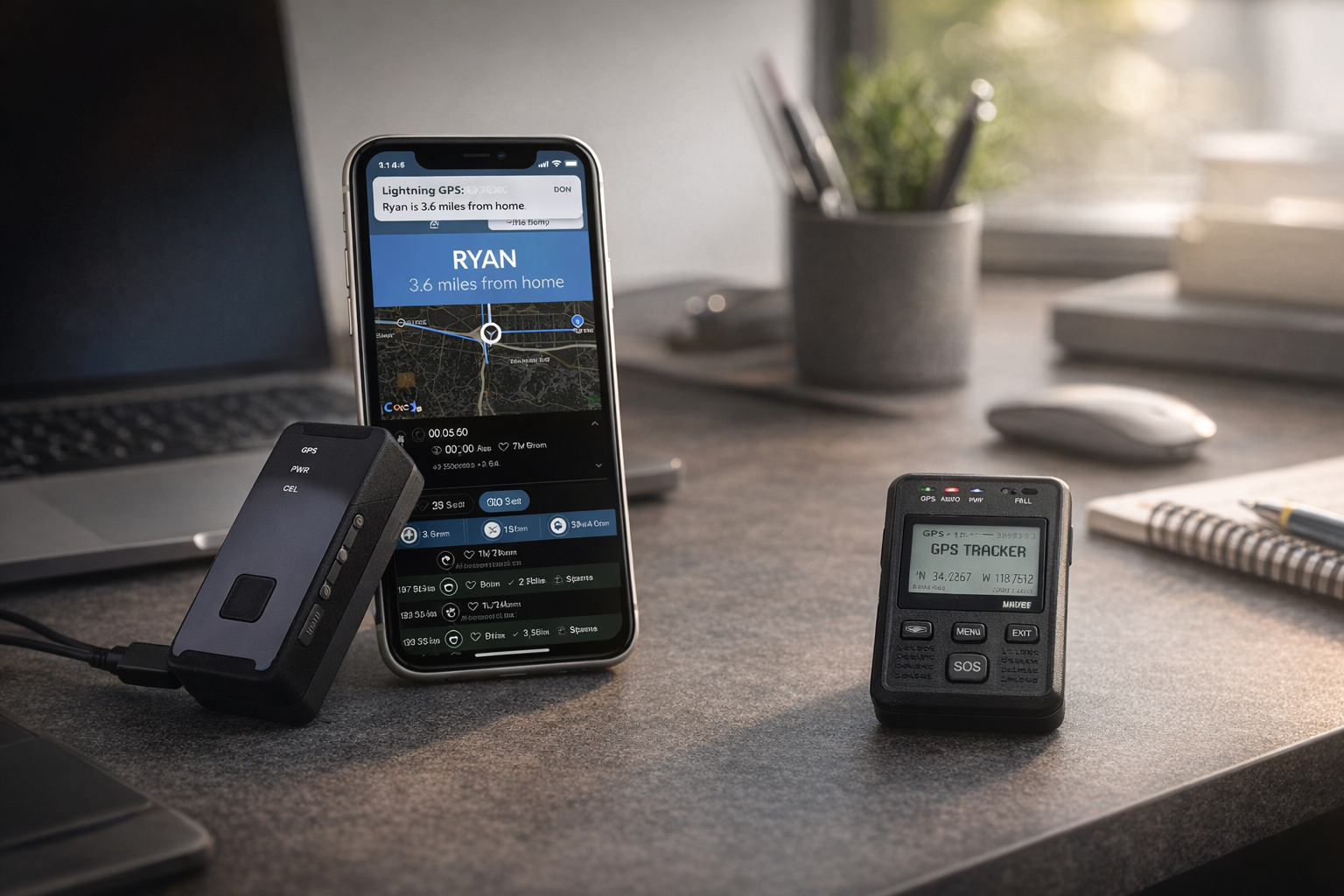
A GPS tracker might cost $50 upfront. But after a year of monthly fees, that same device can cost several hundred dollars. The real question isn’t the price of the tracker, it’s whether the system requires a subscription.
Subscription vs no subscription GPS trackers differ mainly in how they send location data and how much they cost over time. Subscription models use cellular networks to deliver real-time tracking through a mobile app or online dashboard. Understanding how GPS tracking technology works helps explain why some devices require subscriptions. No-subscription trackers typically store location data internally or rely on limited connectivity.
This guide explains how each tracker works, what features you get, and which option fits different tracking needs.
Subscription vs No Subscription GPS Trackers:
Here’s what most people get wrong about GPS tracking: the satellites themselves are completely free. Anyone with a GPS chipset can pull location data from GPS satellites system at no charge. What costs money is getting that location data from your tracker to your phone or computer, and that’s where the subscription vs no-subscription divide begins.
-
Subscription GPS trackers: A GPS Tracking Charge monthly fees (typically $8-$20/month) because they use cellular networks and cloud servers to send real time location data to your app. The device contains a SIM card, connects to 4G/LTE networks, and relies on company servers to process and store your location history. You pay for the infrastructure that makes passive, instant alerts possible.
-
No subscription GPS trackers: Avoid recurring costs through different approaches: some include a lifetime SIM with cellular data bundled into a higher upfront price, others use radio signals to communicate directly with a handheld receiver (no cellular networks involved), and some simply log data internally for manual download later.
-
Who should pick which: Subscription GPS trackers suit users who want maximum features, passive alerts that arrive without checking, global coverage, and rich analytics like pet health monitoring or driver behavior scoring. No subscription GPS trackers work best for those prioritizing lower long-term cost, data privacy, off-grid reliability, or simple location needs without ongoing payments.
How Do Subscription GPS Trackers Work?
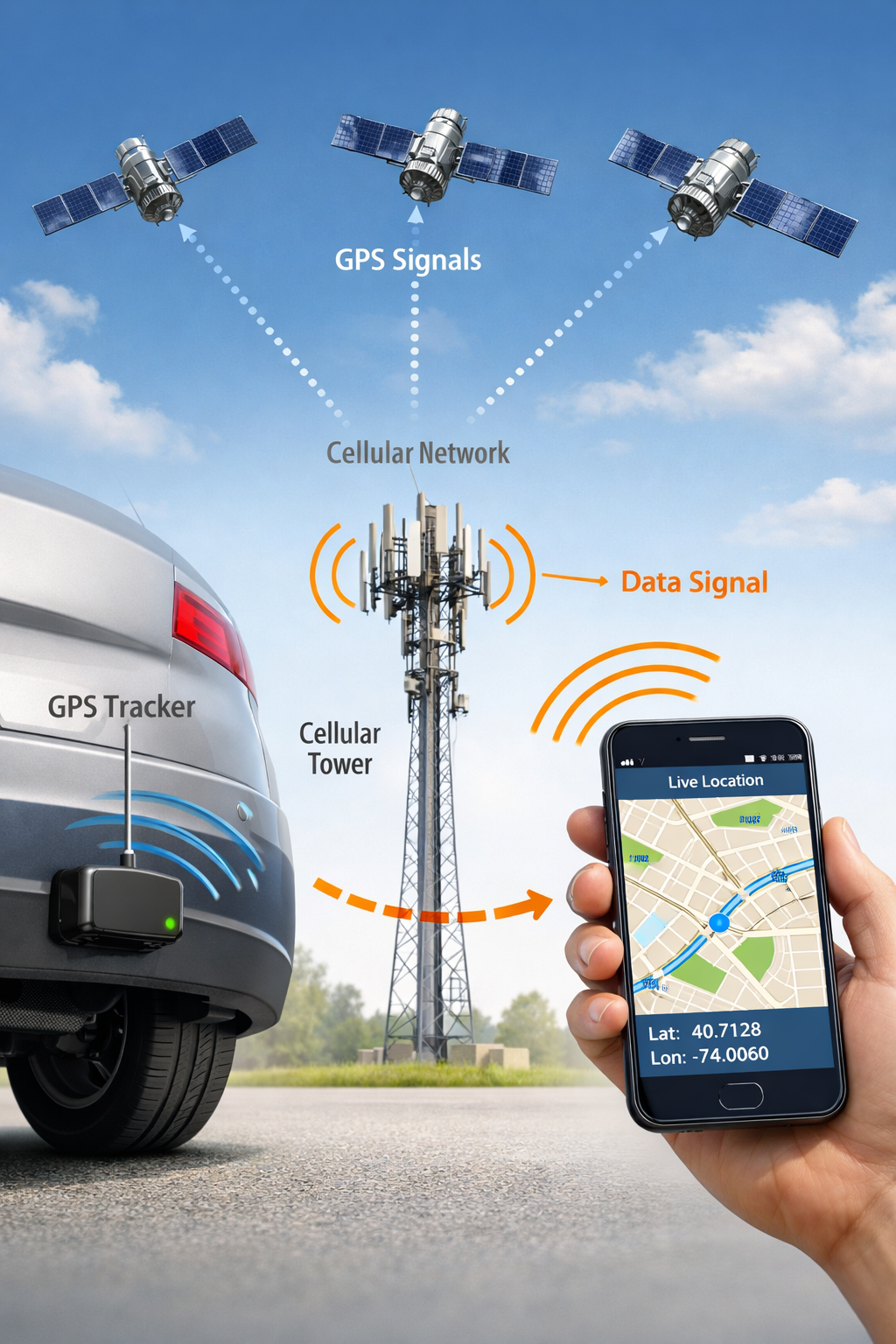
Subscription GPS tracker combine satellite positioning with cellular communication. The device calculates its location using GPS satellites, then sends that data through a mobile network to an app or web dashboard. This connection allows users to view live location updates, alerts, and trip history from anywhere.
The Hardware Stack
Most subscription trackers contain several core components:
-
GPS chipset: Receives signals from GPS satellites (and often GLONASS or Galileo) to calculate precise coordinates
-
Cellular modem: Connects to mobile networks using LTE-M, NB-IoT, or standard 4G/5G
-
SIM card or eSIM: Provides network access, often locked to the manufacturer’s data plan
-
Battery: Rechargeable or replaceable, with capacity varying based on size and update frequency
-
Sensors: Accelerometer for motion detection, sometimes temperature, light, or heart rate sensors
The Data Path
Here’s how location updates actually reach your phone:
-
The device obtains a GPS fix by triangulating signals from multiple GPS satellites
-
It encodes the coordinates along with motion data, battery status, and any triggered alerts
-
This data packet transmits via cellular networks to the company’s cloud servers
-
Servers process, store, and push the information to your app or dashboard
-
Geofence or escape triggers send instant notifications through push alerts, SMS, or email
Firmware updates also arrive over the air through this same connection, keeping devices current without manual intervention.
Typical Subscription Costs
Subscription pricing depends on the type of tracking service:
|
Use Case |
Typical Monthly Cost |
Typical Annual Cost |
|
Pet GPS trackers |
$8-$20/month |
$96-$240/year |
|
Basic vehicle / fleet tracking |
$15-$25 per vehicle |
$180-$300 per year |
|
Mid-tier fleet tracking (analytics, reports) |
$25-$45 per vehicle |
$300-$540 per year |
|
Advanced fleet systems (dashcams, AI analytics) |
$50-$100+ per vehicle |
$600-$1,200+ per year |
Many providers offer lower monthly rates when users prepay for one-year or multi-year plans.
What Subscriptions Actually Fund
Those monthly payments cover more than just data transmission:
-
24/7 cloud servers processing location updates
-
Map services and satellite imagery
-
Alert systems for push notifications, SMS, or email
-
Customer support and system maintenance
-
Server maintenance and security patches
-
Secure storage for location history
-
Long-term location history storage
Without ongoing revenue, most trackers could offer only basic functionality.
How Do No-Subscription GPS Trackers Work?
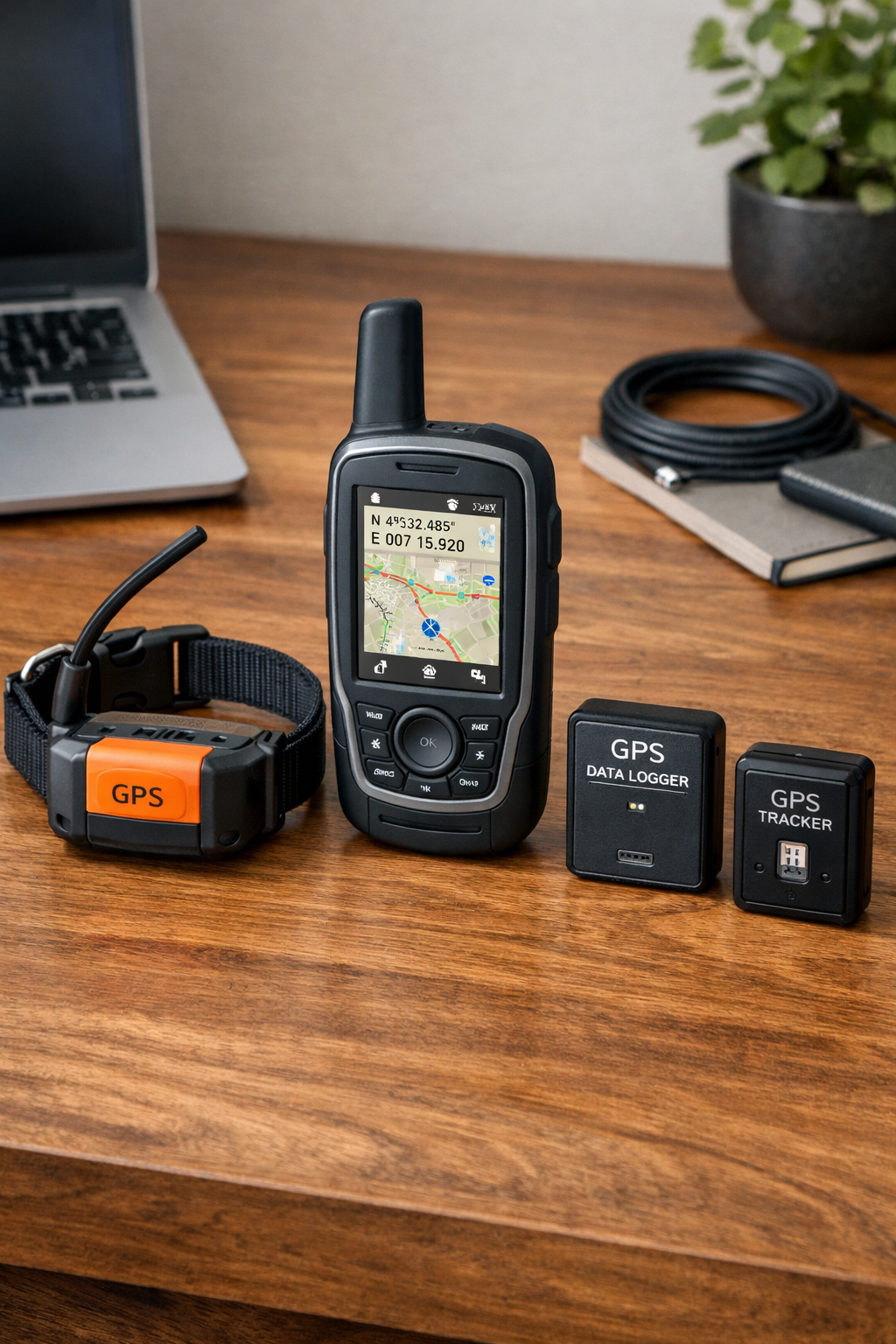
No-subscription GPS tracker can refer to several different technologies. Some devices support real-time location tracking, while others only store data for later download or rely on short-range signals. As a result, their tracking capabilities and limitations can vary widely.
GPS + Radio Systems
Some no-subscription trackers use radio signals instead of cellular networks. The device calculates its position using GPS satellites and then sends the coordinates to a handheld receiver using UHF, VHF, or proprietary radio signals.
These systems can provide real-time tracking, with updates every few seconds. However, they only work within radio range. Coverage is typically 2-5 miles in open areas, and the range can drop significantly in forests, hills, or dense urban environments.
Battery life is often longer because the device does not maintain a constant cellular connection.
Lifetime-SIM or Prepaid Models
These devices include several years of cellular data bundled into a higher upfront price. You get real time GPS tracker functionality with worldwide coverage, but no monthly subscription needed after purchase. However, “lifetime” service usually refers to the expected lifespan of the device or the included data plan. If the data allowance runs out or cellular network standards change, the tracker may require renewal or additional data service to continue operating.
Why Bluetooth Tags Aren’t GPS Trackers
Devices like Apple AirTag and Tile Tracker are often confused with GPS trackers, but they work differently. These devices do not contain a GPS receiver and cannot calculate their location from satellites. Instead, they rely on nearby smartphones to detect the tag through Bluetooth. When a compatible phone passes within range, it anonymously reports the tag’s location through a shared network.
This approach can work well in crowded urban areas, where many smartphones are nearby. In rural areas or low-traffic locations, however, updates may be infrequent because fewer devices pass within range.
Because these devices do not use GPS satellites, they should be considered Bluetooth tracking tags rather than true GPS trackers.
Concrete Examples
|
Device Type |
Range/Coverage |
Battery Life |
Key Limitation |
|---|---|---|---|
|
Radio GPS collar |
2–5 miles line-of-sight |
11–75 hours depending on update rate |
Range drops in terrain |
|
Lifetime-SIM tracker |
Global cellular |
Weeks to 6 years |
Still depends on cell coverage |
|
GPS logger |
N/A (not real-time) |
Months to years |
Manual retrieval required |
|
Bluetooth tag |
Crowd-dependent |
1 year typical |
No actual GPS |
Cost Comparison: Subscription vs No-Subscription Over Time
The biggest difference between subscription and no-subscription GPS trackers appears over time. Subscription trackers require an ongoing service plan, while no-subscription devices include most connectivity costs in the upfront purchase price.
Example Cost Comparison
Consider a simplified example.
Subscription GPS tracker
Device purchase: ~$20-$50
Service plan: $15 per month
|
Time Period |
Total Cost |
|---|---|
|
After 12 months |
~$230 |
|
After 24 months |
~$410 |
|
After 36 months |
~$590 |
No-subscription GPS tracker
Device purchase: $200-$250 one-time
|
Time Period |
Total Cost |
|---|---|
|
After 12 months |
~$229 |
|
After 24 months |
~$229 |
|
After 36 months |
~$229 |
In many cases, the total cost becomes similar after roughly 12-18 months. After that point, subscription trackers continue accumulating monthly fees while the cost of a no-subscription device remains fixed.
What Subscription Fees Support
Subscription plans fund the infrastructure that enables real-time tracking. These services often include:
-
cellular data connectivity
-
cloud servers that process location updates
-
mobile apps and tracking dashboards
-
instant alerts and geofence notifications
-
long-term location history storage
Features You Get With Subscription Trackers (and Rarely With No-Subscription)
Subscription revenue funds richer software development and continuous connectivity infrastructure. This translates into features that subscription based trackers can offer far more consistently than their fee-free alternatives.
Premium Features Standard in Subscriptions
Most trackers require ongoing payments to deliver:
-
Automatic geofence alerts: Draw a virtual boundary, receive instant notifications when crossed
-
Escape notifications: Get pushed alerts if your pet leaves home without you
-
Continuous live map view: Watch movement in real time, not just periodic check-ins
-
Detailed trip history: Review days, weeks, or months of historical data with full playback
-
Speed and behavior analytics: Track driver behavior monitoring, idling time, or pet activity levels
Pet Health and Safety Extras
Modern subscription pet trackers go well beyond simple location updates:
-
Daily activity goals and step counts
-
Sleep analysis and resting patterns
-
Resting heart rate and respiratory rate monitoring
-
Temperature alerts
Tractive, for example, recently added comprehensive health monitoring including heart rate variability and sleep quality metrics, features impossible without continuous data collection and cloud processing.
Fleet and Vehicle Analytics
For asset tracking and fleet management, subscription tiers unlock:
-
Route optimization with traffic-aware suggestions
-
Driver safety scoring based on acceleration, braking, and cornering
-
Fuel consumption and idling reports
-
Maintenance reminders based on mileage tracking
These advanced features require server maintenance, data processing, and technical support infrastructure that ongoing costs sustain.
Limitations of Subscription vs No Subscription GPS Trackers
Both subscription GPS trackers and no-subscription GPS trackers have limitations. The right option depends on how often you need tracking, where the device will be used, and which features matter most.
Limitations of Subscription GPS Trackers
-
Monthly service fees: Most subscription GPS trackers require an ongoing plan to support cellular connectivity, real-time tracking, and cloud-based services.
-
Dependence on cellular coverage: Location updates rely on mobile networks, so tracking accuracy may decrease in areas with weak or no signal.
-
Active account required: Many real-time features such as live tracking, alerts, and trip history only work while the subscription plan is active.
Limitations of No-Subscription GPS Trackers
-
Limited real-time features: Many no-subscription GPS trackers cannot deliver continuous live tracking, instant alerts, or detailed reporting.
-
Range restrictions: Some devices rely on radio signals, which typically work only within a few miles of the receiver.
-
Fewer software features: Without a cloud platform, these trackers often provide limited location history, analytics, or multi-user access.
Understanding these limitations helps users compare subscription vs no subscription GPS trackers and choose the system that fits their tracking needs.
Choosing Between Subscription vs No-Subscription GPS Trackers
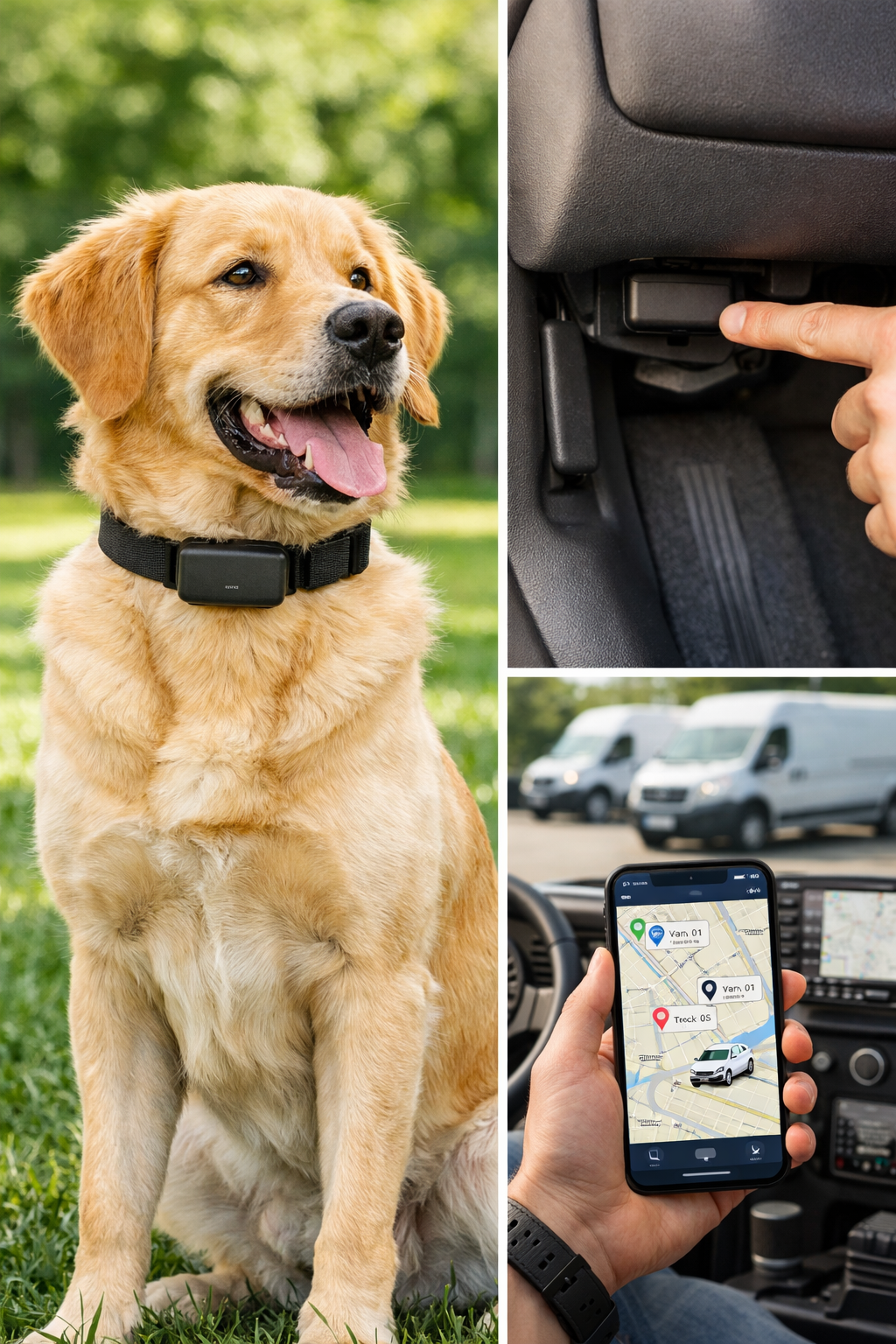
The best choice between subscription vs no-subscription GPS trackers depends on how you plan to use the device. Coverage, tracking features, and long-term cost all play a role when deciding which option works best.
Start With Your Tracking Needs
Before comparing devices, think about how the tracker will be used.
Ask yourself:
-
Do I need real-time tracking with automatic alerts, or is manual checking enough?
-
Do I need extra features like activity monitoring or driver behavior reports?
-
How many devices will I track, one vehicle or several?
-
How long will I use the tracker, a few months or several years?
These answers help determine whether a subscription or no-subscription tracker makes more sense.
When a Subscription GPS Tracker Works Best
Subscription trackers are often better when you need:
-
Real-time location updates
-
Geofence alerts when a vehicle or asset leaves a set area
-
Mobile app access with live maps
-
Trip history and tracking reports
-
Multi-user access for families or teams
Because they connect through cellular networks and cloud platforms, subscription trackers can deliver continuous tracking and automated alerts.
When a No-Subscription GPS Tracker Makes Sense
No-subscription trackers are useful when users want a one-time purchase with fewer ongoing costs.
They often work best for:
-
Simple location tracking
-
Short-range tracking using radio signals
-
Users who prefer fewer cloud services
-
Situations where multiple devices must be tracked without monthly fees
However, these devices may offer fewer alerts, limited analytics, and less historical data.
Think About Long-Term Cost
Cost can change depending on how long you use the tracker.
-
For short-term use, a subscription tracker may cost less because the hardware price is lower.
-
For long-term use with multiple devices, no-subscription trackers may reduce overall expenses.
Calculating the total cost over two or three years can help clarify which option fits your budget.
Final Decision
Both options serve different needs. Subscription trackers prioritize automation and real-time alerts, while no-subscription devices focus on lower long-term cost and simpler ownership.
Choosing the right system depends on coverage, tracking features, number of devices, and long-term cost. Before buying any tracker, review the features, service requirements, and coverage in the areas where the device will actually be used.
Conclusion
Choosing between subscription vs no subscription GPS trackers depends largely on how you plan to use the device and what features you need. Both types rely on GPS satellites for location data, but they differ in how that data is delivered and how the system is priced over time.
Subscription GPS trackers use cellular networks and cloud platforms to provide real-time tracking, instant alerts, trip history, and advanced analytics through mobile apps or online dashboards. These systems are commonly used for vehicle security, fleet management, and asset tracking, where consistent connectivity and automated notifications are important.
No-subscription GPS trackers, on the other hand, focus on avoiding monthly fees. Some use radio signals, while others store location data internally or include prepaid connectivity in the device price. They can work well for basic tracking needs or situations where users prefer a one-time purchase instead of ongoing service costs.
By comparing coverage, features, and long-term cost, you can choose the GPS tracking solution that best fits your needs and budget.
Frequently Asked Questions
Do GPS trackers require a monthly subscription?
Not all GPS trackers require a monthly subscription. Many real-time tracking devices use cellular networks and cloud services, which require a service plan. However, some trackers operate without subscriptions by storing location data internally, using radio signals, or including prepaid cellular data in the purchase price.
Why do many GPS trackers require a subscription?
Subscription fees cover the infrastructure needed for real-time tracking. This includes cellular data transmission, cloud servers that process location updates, mobile apps, and features like geofence alerts, trip history, and push notifications.
Are no-subscription GPS trackers truly free to use?
No-subscription GPS trackers avoid monthly service plans, but they are not completely free. These devices usually have higher upfront costs or may include limited prepaid data. Some models also require manual data downloads instead of providing live tracking.
Which is better: subscription or no-subscription GPS trackers?
The better option depends on the tracking purpose. Subscription GPS trackers are generally better for real-time monitoring, alerts, and fleet tracking. No-subscription trackers may be suitable for users who prefer a one-time purchase and only need basic location tracking.
Can GPS trackers work without cellular service?
Some GPS trackers can work without cellular networks by using radio signals or internal data logging. However, devices without cellular connectivity usually cannot provide real-time location updates through a mobile app.
Posted by Kellie Kendall on Mar 18th 2026